
Stone Soup
Kinship in Three Acts

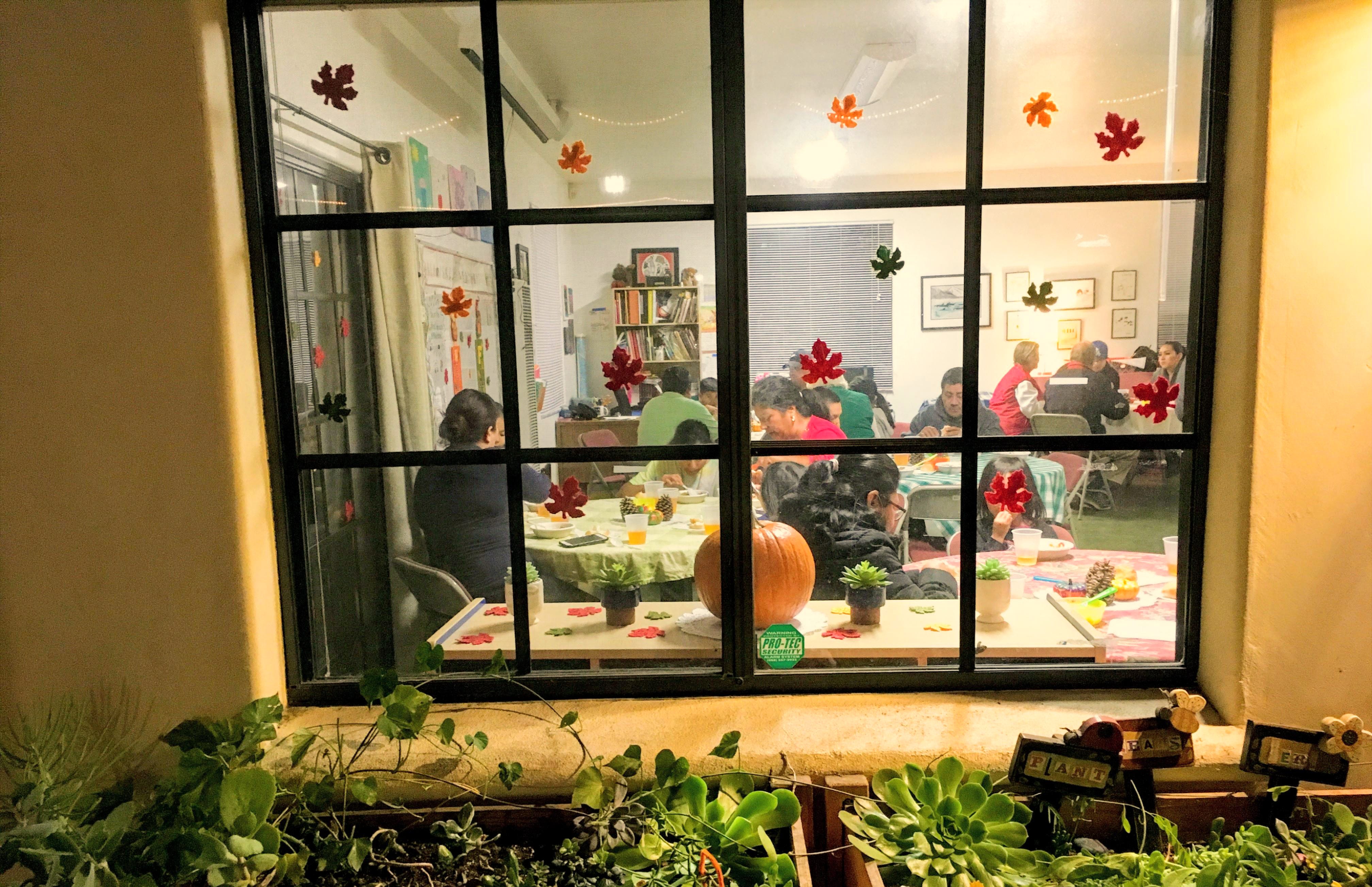
“We always seem to be faced with this choice: to save the world or to savor it. I want to propose that savoring is better, and that when we seek to ‘save’ and ‘contribute’ and ‘give back’ and ‘rescue’ folks and EVEN ‘make a difference,’ then it is all about you … and the world stays stuck.”
~ Gregory Boyle, from his book “Barking to the Choir: The Power of Radical Kinship”
I have always loved the story of Stone Soup. Three hungry travelers help bring a village of suspicious and guarded people together around a large pot of soup by reminding them that everyone has something to give. A broth that begins with boiling water and three stones improves with every small contribution members of the village bring. An onion adds flavor, a potato thickens the soup, a pepper adds some spice, and on and on until the community is both nourished and strengthened by coming together around this magical soup.
Some years ago I ran an after-school center in an affordable housing complex. The first time I celebrated the story of Stone Soup with the kids was out of desperation. It was my first Thanksgiving working there and I was told that the after-school program always rustled up a donated turkey and hosted a pre-Thanksgiving dinner for the kids. For whatever reason, I could not get my hands on a free turkey that year, so I suggested we make Stone Soup for the kids. My interns read the story TO the kids, and we made a hearty vegetable soup - complete with a stone - FOR the kids, served with fresh bread and pies donated by our co-workers. It was fun and the kids seemed to like it.
The next year, I suggested we celebrate Stone Soup in the evening and invite the kids’ families to join us. I wrote a readers theater version of the story for the kids to perform. We invited families to drop off a vegetable for the soup the day before and my interns and I, with the help of the kids, made Stone Soup FOR the families. It was a lovely evening. The kids performed the play, we decorated the center with tablecloths and centerpieces and everyone enjoyed soup, bread, and pie. My interns and I were exhausted after spending the day making giant pots of soup while simultaneously helping kids with homework, supervising kids cutting vegetables with sharp knives, corralling their energy long enough to rehearse the play, and cleaning up when it was all over. The evening was a great success though. We had near 100% family attendance and everyone seemed to have a good time.
On my third year at the center, I met with the parents first and asked if anyone would like to share in the preparation of Stone Soup this year. Three or four hands went up immediately.
On the afternoon of the Stone Soup celebration, the after-school center was bustling with activity. 3-4 moms took over the kitchen, shooing me out. They brought the biggest stock pot I’ve ever seen, along with their favorite knives and some spices. Several potatoes, cans of tomatoes and beans, onions, celery, carrots and more produce were donated by the families. Our housing agency took care of the rest of the ingredients, including the stone! The moms set to work preparing a pot of Stone Soup large enough for a village. Kids helped chop vegetables, and cut bread. Other kids created table centerpieces and the interns and teens decorated the center with tablecloths and fall leaves.
One of our volunteer tutors called her husband to bring a string of lights to hang outside around our makeshift stage. While the scent of delicious soup wafted through the center, I rehearsed the kids on their production of the Stone Soup story and songs they would perform for their families that evening.
That night, as the kids acted out the story of Stone Soup for their families, I stood in awe of this community. We had all had a hand in creating this beautiful evening, and as we broke bread together and dug into hearty bowls of soup, I felt a part of something much larger than just an after-school center.
The line between service provider and recipient was smudged that day. We were just people celebrating community together. Parents and staff were chatting and laughing, kids were playing and drawing pictures for their parents. When the last bite of pie was eaten, everyone helped wash dishes, pack up leftovers, fold tables, and sweep floors. No one left until the work was done. I was filled with gratitude, humility, and so much love. Together we created a new tradition, one at would nourish our community long after the night was over.
***
I have always been proud to belong to groups that want to make a difference in the world. But, whether it’s working with low-income families, people experiencing homelessness, or LGBTQ folks, WE always want to help THEM. My heart has been in the right place, but I have always helped from the outside, creating a one way relationship between provider and recipient.
Stone soup changed me. Community is being WITH, not FOR. I continue to grapple with one of the questions Gregory Boyle asks: “How do we tame this status quo that lulls us into blindly accepting things that divide us and keep us from our own holy longing for mutuality of kinship - a sure and certain sense that we belong to each other?” Boyle writes of a compassion that “speaks of a kinship so mutually rich that even the dividing line of service provider/service recipient is erased. We are sent to the margins NOT to make a difference but so that the folks on the margins will make US different.” … Not to make a difference but so that the folks on the margins will make us different.
This is life-long work, and it means following more often than leading. It’s slow going, but I want to be in radical kinship with more people whose stories are very different from my own. I want to help push out the margins of community, be willing to let things get a little messy, listen more, fail forward, and practice humility and gratitude with every stumbling step. I want to feel in my bones Father Boyle’s message that true kinship is not about serving the other, but rather being one with the other. That “kinship is not a reward bestowed at the end. It’s here, it’s now, it’s at hand and within our reach. And this moment is the only one available to us.”
“Instructions for life: Pay attention. Be astonished. Tell about it.”
~ Mary Oliver
Thank you for reading my post. If you enjoyed it, please feel free to click the little heart button (that gives me such a thrill) or add a comment, share it with a friend, subscribe to Scruffy Spirituality, or all of the above.